
Blog
iPhone, Apple Watch, and Mobile Wireless Chargers: The Future of Seamless Charging

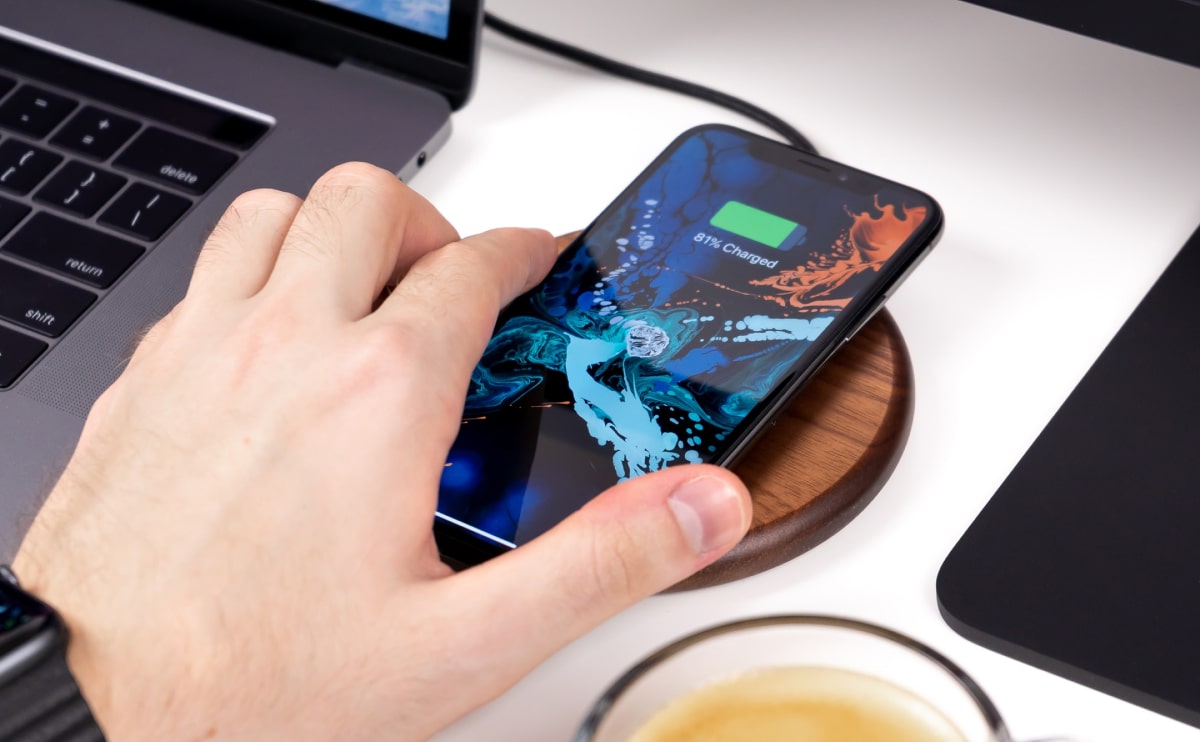
In today’s fast-paced digital world, convenience and efficiency have become essential in every aspect of technology. One of the most significant advancements in personal electronics is wireless charging. With devices like the iPhone and Apple Watch leading the innovation in smart technology, wireless charging has transformed how users power their devices. Mobile wireless chargers have made it possible to charge multiple devices without the clutter of cables, offering a cleaner, faster, and more efficient lifestyle.
This article explores how iPhones, Apple Watches, and mobile wireless chargers work together, their benefits, limitations, and what the future holds for wireless power technology
The Evolution of Wireless Charging
Wireless charging is not a new concept. It is based on electromagnetic induction, a technology that has existed for over a century. However, only in the past decade has it become mainstream in consumer electronics.
Apple introduced wireless charging support with the iPhone 8 and iPhone X in 2017, using the Qi wireless charging standard. Since then, nearly all modern iPhones support wireless charging. Similarly, the Apple Watch has used a unique magnetic charging system since its first release in 2015.
This shift eliminated the need for constant plugging and unplugging of cables, making charging more effortless and reducing wear on device ports.
How iPhone Wireless Charging Works
Modern iPhones use the Qi wireless charging standard, which relies on electromagnetic fields to transfer energy between a charging pad and the device.
When an iPhone is placed on a wireless charging pad:
- The charger generates an electromagnetic field.
- The coil inside the iPhone receives this energy.
- The energy is converted into electrical power.
- The battery is charged without physical connectors.
Starting with iPhone 12, Apple also introduced MagSafe technology, which uses magnets to align the phone perfectly with the charger. This ensures faster and more efficient charging compared to traditional Qi pads.
MagSafe supports accessories like:
- Magnetic charging pads
- Wallet attachments
- Car mounts
- Battery packs
This ecosystem makes iPhone charging more versatile than ever.
Apple Watch Charging Technology
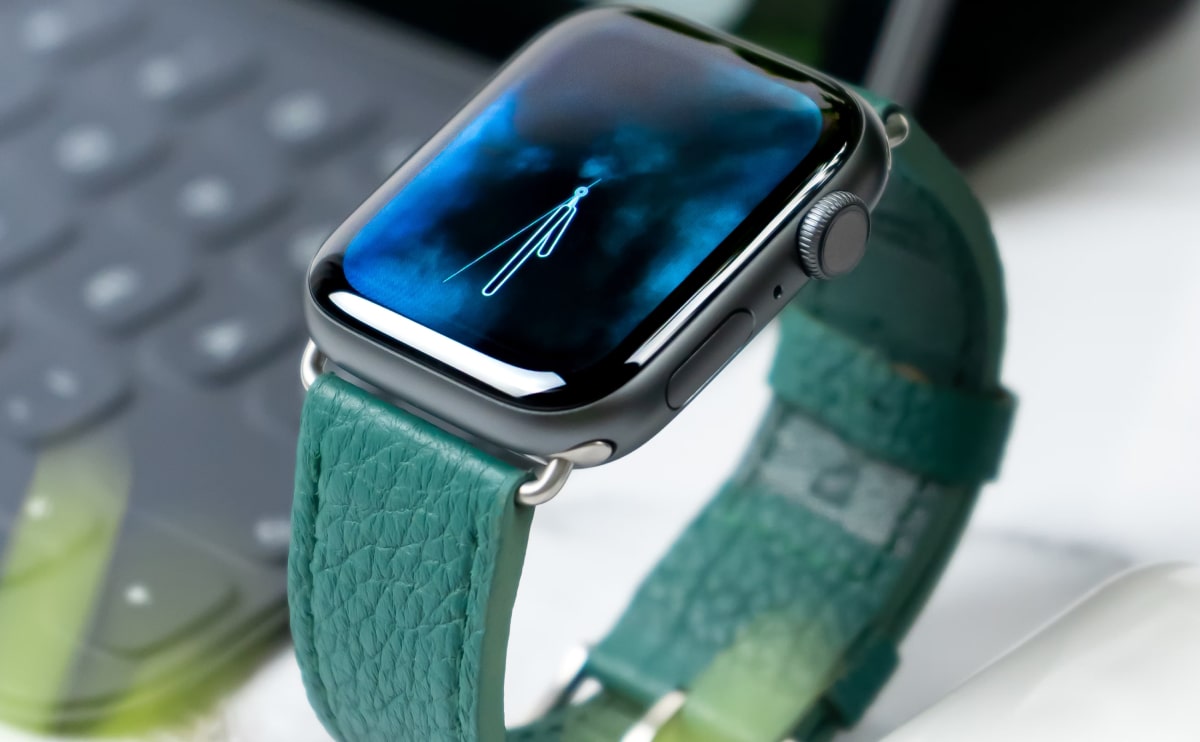
Unlike iPhones, Apple Watches use a custom magnetic charging system. Instead of Qi charging, the watch uses a circular magnetic puck that snaps onto the back of the device.
Key benefits of Apple Watch charging include:
- Strong magnetic alignment ensures perfect placement
- Compact charging design ideal for travel
- Optimized for low-power, efficient charging
- Safe and heat-controlled energy transfer
The Apple Watch Series has improved charging speed over time, with newer models supporting faster charging—allowing users to reach around 80% in about 45 minutes (depending on model).

Mobile Wireless Chargers: A Unified Solution
Mobile wireless chargers are devices designed to charge multiple electronics simultaneously—typically iPhones, Apple Watches, and AirPods. These are often called 3-in-1 charging stations.
A typical mobile wireless charging station includes:
- A flat Qi charging pad for iPhones
- A magnetic dock for Apple Watch
- A small area for AirPods or other wireless earbuds
Some portable versions also include built-in batteries, allowing users to charge devices on the go without a wall outlet.
Advantages of Multi-Device Wireless Chargers
- Convenience
No need for multiple cables or adapters. One device handles everything. - Reduced Clutter
A single charging station replaces tangled cords and multiple plugs. - Travel-Friendly
Compact designs make them ideal for business trips and vacations. - Efficiency
Optimized power distribution ensures each device charges safely.


Cras consectetur
Limitations of Wireless Charging
Despite its advantages, wireless charging has some limitations:
1. Slower Speeds Compared to Wired Charging
Even with MagSafe, wired charging is generally faster.
2. Heat Generation
Wireless charging can produce more heat, which may slightly reduce efficiency.
3. Alignment Issues (Qi Chargers)
Without MagSafe, misalignment can slow down charging or stop it entirely.
4. Limited Mobility During Charging
Devices must remain on the pad, making it harder to use them while charging.
MagSafe: A Game-Changer for iPhone Users
MagSafe is one of Apple’s most important innovations in recent years. It enhances wireless charging by using magnets to perfectly align the iPhone with the charger.
Key features of MagSafe:
- Faster wireless charging up to 15W
- Secure magnetic attachment
- Compatibility with accessories
- Improved energy efficiency
MagSafe has created a growing ecosystem of accessories, including car mounts, stands, wallets, and portable batteries.